Understanding the nohu Concept in Culinary Arts
The term "nohu" encompasses more than just a trendy dining experience; it represents a unique ethos that blends culinary artistry with a commitment to exceptional service and community engagement. In the context of modern gastronomy, understanding the nohu concept is essential for those looking to explore a dining philosophy that prioritizes creativity, sustainability, and authentic flavors. This article delves into the essence of nohu, exploring its origins, key values, and the transformative dining experiences that it fosters. When exploring options, nohu provides comprehensive insights into this innovative approach.
What is nohu and its Unique Ethos?
NoHu is not merely a style of cooking; it represents a holistic approach to dining that embraces creativity, sustainability, and a deep respect for ingredients. At its core, the nohu philosophy encourages chefs to think outside traditional boundaries, allowing them to experiment with flavors, techniques, and presentation. This approach often incorporates local and seasonal ingredients, creating a menu that reflects the region's bounty while fostering a connection between diners and their environment.
This ethos extends beyond the plate. NoHu establishments focus on creating a welcoming atmosphere where guests feel valued and connected. This commitment to service transforms each meal into an experience, inviting patrons to engage with staff and fellow diners, fostering a sense of community that enhances the overall dining experience.
The Origins of nohu in Modern Gastronomy
The nohu concept was born out of a desire to innovate within the culinary world, emerging in response to changing consumer preferences and environmental concerns. Chefs began to seek inspiration from global culinary traditions while incorporating modern techniques and presentation styles. This evolution led to a more inclusive and diverse dining landscape, where experimentation and adaptability became vital components.
One notable influence on the nohu philosophy is the farm-to-table movement, which emphasizes sourcing ingredients directly from local producers. This practice not only supports local economies but also ensures that diners receive the freshest and most sustainable food options. By honoring this connection to the land, nohu dining experiences resonate on a deeper level with consumers, aligning tastes and values.
Key Values Behind the nohu Dining Philosophy
At the heart of the nohu philosophy are several key values that define its approach to cuisine and customer engagement:
- Sustainability: NoHu restaurants prioritize environmentally friendly practices, such as waste reduction, responsible sourcing, and seasonal menus that adapt to available ingredients.
- Creativity: Chefs are encouraged to experiment with flavors, textures, and presentations, resulting in innovative dishes that surprise and delight diners.
- Community: NoHu emphasizes the importance of connection—between chefs and patrons, as well as within the local community. Restaurants often engage in outreach efforts, supporting local farmers and artisans.
- Authenticity: This philosophy promotes honesty in food preparation, allowing the natural flavors of ingredients to shine rather than masking them with excessive embellishment.
Creating the Ultimate nohu Rooftop Experience
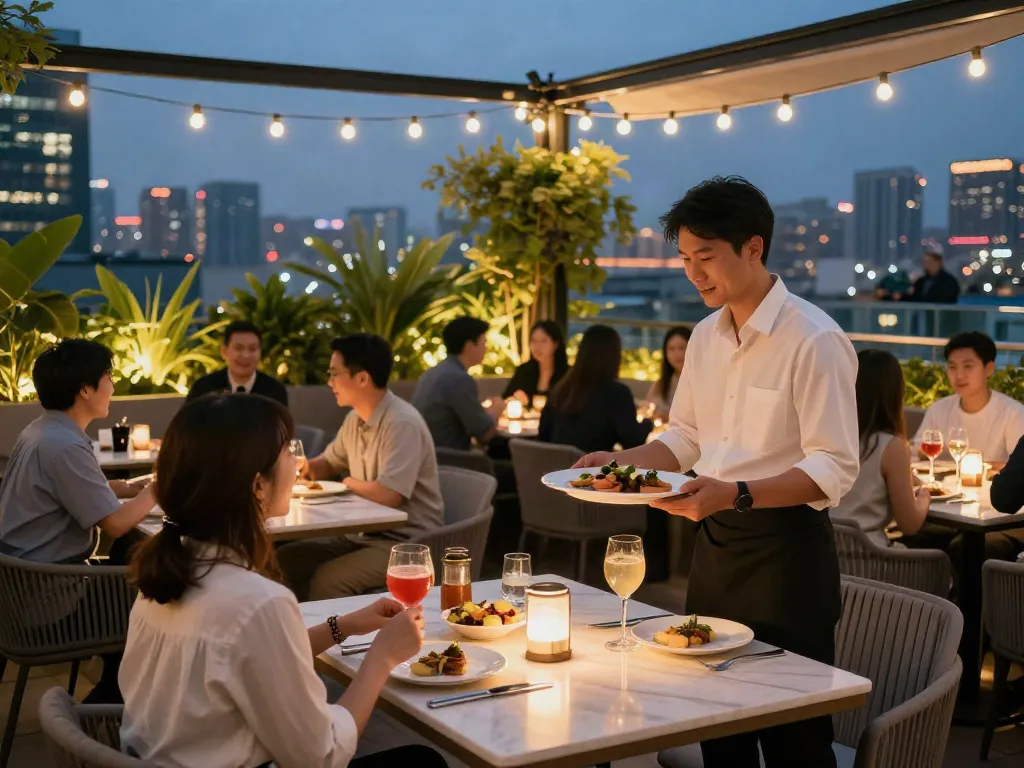
Designing a nohu rooftop experience involves careful consideration of ambience, menu, and service—all aimed at elevating the dining experience for guests. Rooftop venues, such as NoHu Rooftop Bar & Restaurant, allow diners to enjoy scenic views while relishing thoughtfully curated meals, making it crucial to create a space that enhances the overall atmosphere.
Designing the Perfect Rooftop Ambiance
The ambiance of a rooftop dining experience is essential in crafting a memorable evening. Key elements to consider include:
- Lighting: Soft, warm lighting can create an inviting atmosphere. Consider using string lights, lanterns, or even candles to enhance the outdoor experience, especially during evening hours.
- Seating: Comfortable seating arrangements that encourage relaxation and conversation are vital. Incorporating a mix of dining styles, such as lounge chairs and traditional tables, offers variety for guests.
- Décor: Incorporating local artwork or plants can create a sense of place, making the rooftop feel more connected to the surrounding environment.
- Sound: Ambient music can enhance the atmosphere, creating a pleasant backdrop without overwhelming conversation.
Menu Crafting with nohu Elements
The menu is the centerpiece of the nohu experience. When crafting a menu, consider the following:
- Seasonal Ingredients: Highlighting local produce not only supports farmers but also ensures freshness and flavor in every dish.
- Diverse Offerings: Incorporate a mix of flavors and cuisines to appeal to a broad audience. Consider offering small plates for sharing, allowing guests to explore various tastes.
- Signature Dishes: Creating unique, hallmark dishes that reflect the restaurant’s ethos can enhance the brand identity and encourage repeat visits.
Choosing the Right Beverages to Complement nohu Cuisine
Beverage selection is equally important in creating the ultimate nohu rooftop experience. Consider pairing drinks that enhance the flavors of the food, such as:
- Craft Cocktails: Innovative cocktails made with fresh ingredients can serve as a great complement to a nohu-inspired menu.
- Local Wines: Featuring wines from nearby vineyards not only supports local businesses but can also provide distinct flavors that pair well with regional dishes.
- Non-Alcoholic Options: Offering unique, flavorful mocktails can elevate the experience for guests who prefer non-alcoholic beverages.
Elevating Customer Engagement at nohu Locations
In a competitive dining landscape, engaging customers goes beyond offering great food. Elevating customer interactions is a vital aspect of the nohu experience, contributing to loyalty and satisfaction.
Innovative Service Techniques for Enhanced Dining
Training staff in innovative service techniques can significantly enhance the overall dining experience. Consider the following approaches:
- Personalized Service: Encourage staff to learn customer names and preferences, creating a welcoming environment where guests feel recognized and valued.
- Storytelling: Staff should be knowledgeable about the menu and the sourcing of ingredients, allowing them to share stories that resonate with diners and enhance their connection to the food.
- Feedback Channels: Creating accessible feedback mechanisms invites guests to share their thoughts, fostering a culture of continuous improvement.
Utilizing Technology for a Modern Dining Experience
Embracing technology can streamline operations and enhance customer engagement. Implementing tools such as:
- Online Reservations: A user-friendly booking system simplifies the reservation process for customers.
- Mobile Ordering: Allowing guests to place orders through an app or their mobile device can enhance convenience, especially in busy settings.
- Social Media Engagement: Actively engaging with customers on social media platforms can foster community and keep diners informed about events and updates.
Gathering Feedback and Adapting to Customer Preferences
Regularly collecting and analyzing customer feedback enables nohu establishments to adapt their offerings to better meet preferences. Utilize various methods, such as:
- Surveys: Distributing surveys at the end of the meal or via email can provide valuable insights into customer satisfaction.
- Social Listening: Monitoring social media channels for mentions of the restaurant can reveal trends and customer sentiments.
- Themed Nights: Hosting events that cater to specific themes can encourage customer engagement and feedback on what works best.
Marketing Strategies for nohu Restaurants in 2026
As the dining landscape continues to evolve, effective marketing strategies are essential for attracting and retaining customers. Establishing a strong online presence, particularly for nohu restaurants, will play a pivotal role in success.
Building a Strong Online Presence for nohu
A robust online presence is key to capturing the attention of potential diners. Strategies to consider include:
- Website Optimization: Ensure the restaurant's website is SEO-friendly, showcasing the menu, ambience, and unique offerings while also making reservations easy.
- Content Marketing: Regularly publishing blog posts or articles related to culinary trends, local sourcing, and seasonal ingredients can position the restaurant as a thought leader.
- Email Marketing: Building a subscriber list allows restaurants to send promotions, news, and updates directly to interested customers.
Effective Social Media Campaigns for Engagement
Social media platforms serve as valuable tools for engaging with customers. Effective campaigns can include:
- Visual Storytelling: Sharing high-quality images and videos of dishes, events, and behind-the-scenes content can attract followers and promote sharing.
- User-Generated Content: Encouraging diners to share their experiences can create authentic engagement and serve as promotional material.
- Contests and Giveaways: Hosting contests can incentivize sharing and engagement, drawing attention to the restaurant and increasing reach.
Collaborating with Influencers in the Dining Scene
Partnering with local influencers can amplify a restaurant's reach and credibility. Consider strategies such as:
- Inviting Influencers for Tastings: Offering complimentary meals or exclusive previews can entice food bloggers and influencers to share the experience with their audience.
- Collaborative Events: Hosting events in conjunction with influencers can create buzz and attract diverse crowds.
- Sponsored Posts: Collaborating on sponsored content can reach new audiences and provide authentic endorsements.
Future Trends and Innovations Related to nohu Dining
The culinary landscape is continually changing, with numerous trends emerging to shape the future of dining experiences. Staying ahead of the curve is vital for nohu restaurants looking to thrive.
Predictions for the Next Generation of Dining Experiences
As consumer preferences evolve, the future of dining will see an increased focus on:
- Experiential Dining: Guests will seek more than just a meal; they will look for memorable experiences that engage all senses.
- Culinary Education: Offering classes or workshops related to cooking techniques and ingredient sourcing can deepen customer connections.
- Enhanced Health Consciousness: Menus will likely shift towards healthier options, with a focus on transparency regarding nutritional information.
Sustainability Practices within the nohu Framework
Sustainability will remain a vital focus in the nohu dining philosophy. Future practices may involve:
- Zero-Waste Initiatives: Restaurants will explore creative solutions to minimize waste, such as utilizing food scraps in unique dishes.
- Carbon Footprint Reduction: Implementing energy-efficient practices and sourcing from responsible suppliers will become increasingly important.
- Education on Sustainability: Educating customers on responsible dining choices and sourcing can build awareness and loyalty.
The Role of Local Sourcing in nohu Gastronomy
Continuing the trend of local sourcing, nohu establishments will emphasize collaboration with local farmers and producers. Benefits include:
- Freshness: Locally sourced ingredients often result in superior flavor and quality.
- Economic Support: Supporting local businesses fosters community ties and strengthens local economies.
- Reduced Environmental Impact: Sourcing nearby minimizes transportation emissions, aligning with sustainability goals.
What unique flavors does nohu bring to the table?
The nohu dining philosophy invites exploration of unique flavor combinations. Drawing inspiration from various culinary traditions, nohu emphasizes:
- Fusion Cuisines: Blending multiple culinary influences to create innovative dishes.
- Ingredient Exploration: Utilizing lesser-known ingredients to introduce diners to new tastes and textures.
- Seasonal Creativity: Adapting dishes based on seasonal availability, ensuring variety throughout the year.
How can diners incorporate nohu techniques at home?
Diners interested in replicating nohu techniques can consider:
- Experimentation: Encouraging creativity in the kitchen by trying new recipes and ingredients.
- Local Sourcing: Visiting local farmers' markets can inspire seasonal cooking and highlight fresh produce.
- Mindful Eating: Focusing on the quality and origin of ingredients can enhance overall dining experiences at home.
What events and themes enhance the nohu experience?
Special events can elevate the nohu dining experience. Ideas include:
- Themed Dinners: Hosting dinners centered around specific cuisines or seasonal ingredients can attract diverse crowds.
- Wine Tastings: Partnering with local vineyards for wine tasting events can enhance beverage offerings.
- Cooking Classes: Offering workshops to teach guests about cooking techniques can create a memorable experience.
What are some common misconceptions about nohu dining?
Despite its growth, several misconceptions about nohu dining persist:
- Exclusive to Fine Dining: While nohu establishments often emphasize quality, they can range from casual eateries to high-end restaurants.
- Only for the Trendy: NoHu values authenticity and creativity, welcoming all diners regardless of their culinary expertise.
- High Cost: Many nohu venues offer affordable options, ensuring accessibility without compromising quality.
How to effectively promote a nohu restaurant?
Promotion strategies for nohu restaurants should focus on authenticity and community engagement. For more information, link nohu không chặn offers valuable insights. Potential methods include:
- Community Events: Participating in local festivals or markets can increase visibility and connect with potential customers.
- Online Engagement: Utilizing social media to share customer testimonials and success stories builds a positive reputation.
- Collaborative Marketing Efforts: Partnering with local businesses for cross-promotions can reach new audiences and strengthen community ties.